Codex + Agentic AI: An Operating Model That Ships
A practical workflow for using Codex as an agentic teammate—fast, scoped, and reviewable.
Agentic AI can feel either magical or chaotic depending on how you run it. We use Codex as an autonomous teammate, but only inside a system that makes quality hard to ignore. The result is speed without losing taste, correctness, or team conventions.
This post is a distillation of practices we’ve pulled from the wider community and adapted into our own workflow.
The core idea
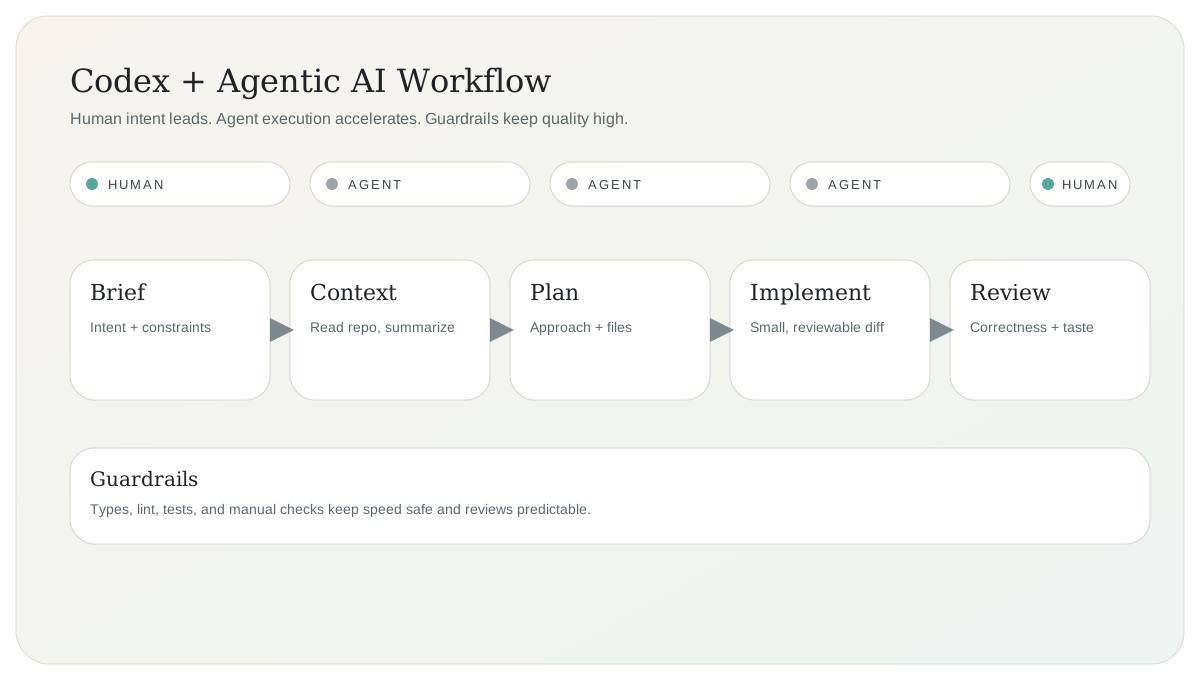
Codex is not the product owner. It is a powerful executor. The human role stays responsible for product intent, user experience, and tradeoffs. The workflow has to reflect that division.
The workflow (brief → plan → execute → verify)
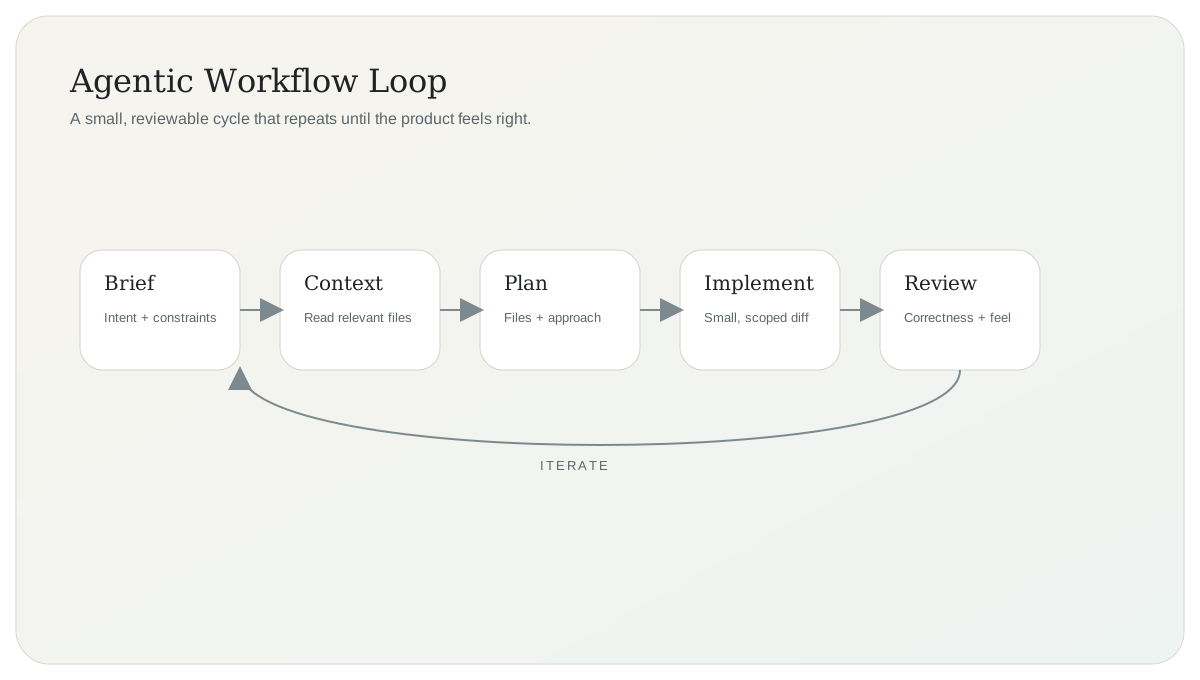
1. Write a tight brief
We define the outcome, constraints, and “done” criteria in a few lines. Vague prompts lead to vague diffs. The best briefs answer:
- What changes, and where?
- What must remain unchanged?
- What is the acceptance test?
2. Load the right context
Community best practices for agentic coding emphasize persistent context files (e.g., CLAUDE.md, GEMINI.md). We use the same pattern with Codex: a short living document that captures repo conventions, critical commands, and architectural guardrails. This reduces drift and keeps edits consistent.
3. Ask for a plan before code
Before touching files, we ask Codex to outline the approach and identify the specific files it will touch. This is the cheapest moment to catch misunderstandings.
4. Implement in small slices
We keep changes narrow and testable. Each slice should be reviewable on its own, with a clear rollback path. This keeps the agent from “boiling the ocean.”
5. Verify with hard checks
Agentic tools excel when feedback is tight. We run type checks, lint, and tests early. If the project doesn’t have tests, we at least verify the main flow manually and keep the diff small.
6. Review like a human reviewer
We check for correctness, readability, and fit with the existing codebase. If the diff looks out of place, it goes back for revision.
Practical patterns we use
Persistent context files
A short doc in the repo that captures:
- Key folders and ownership
- Code style rules
- Test/lint commands
- Design constraints
This mirrors the “context file” practice recommended for other agentic CLIs and drastically improves consistency.
Tooling checklists
We keep a short checklist of commands for verification. It’s faster to enforce a list than to debate standards in every session.
Separate analysis from edits
We often ask the agent to explore and summarize first, then implement. This mirrors best practices described in other agentic tools: read before writing, plan before editing.
Multi-pass review
When changes are important, we do a second agent pass focused only on review. A separate “critic” pass catches drift, missing tests, and style mismatch.
Where Codex is strongest
- Refactors with clear constraints
- Boilerplate and repetitive tasks
- Scaffolding and wiring integrations
- Writing first drafts of docs or content
Where humans must lead
- Product scope decisions
- UX tone and taste
- Security and data handling
- Ethical decisions and policy boundaries
A lightweight operating model
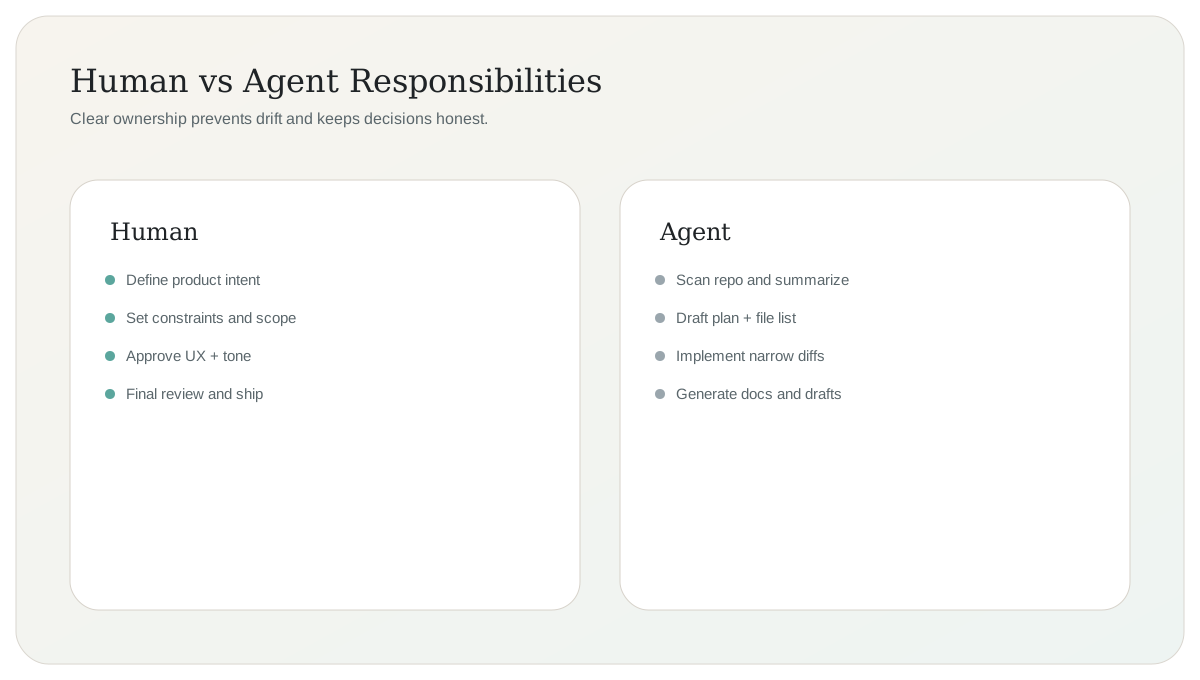
- Human: defines intent, constraints, and acceptability
- Codex: explores, implements, and proposes a diff
- Human: reviews, edits, and ships
This keeps velocity high without losing responsibility.
Closing thought
Agentic AI is a force multiplier, not a replacement for judgment. With a tight brief, strong context, and real verification, Codex becomes a reliable teammate instead of a risky shortcut.